
When to Plaster Before Painting: 7 Signs Your Walls Need It
Introduction
Knowing when to plaster before painting is one of those decisions that separates a decorating job that looks brilliant for a decade from one that looks tired within eighteen months. Most homeowners assume walls only need plastering if there's obvious damage. In my experience, that assumption costs London homeowners hundreds of pounds in wasted paint and disappointing finishes every year.
I've walked into more London properties than I can count where the client wanted "just a quick refresh" and the walls needed proper attention first. Sometimes we can prep and paint. Sometimes we honestly can't, and telling the client that up front is part of the job. This guide covers the seven clear signs that your walls need professional plastering before any brush goes near them, plus what to expect if they do.
When to Plaster Before Painting: The Short Answer
You should plaster before painting when the wall surface is damaged, unstable, or too uneven for paint to sit properly. Filling and sanding can rescue minor issues. Anything beyond hairline cracks and small dents usually needs a professional plasterer, or the paint job will highlight every flaw rather than hide it.
Now let's get into the seven signs to look for.
1. Blown or Hollow-Sounding Plaster
This is the biggest one, and it's easy to test yourself.
Tap gently across the wall with your knuckles. Sound plaster gives a solid, dull thud. Blown plaster (where the plaster has detached from the wall behind it) gives a hollow, echoey sound. If large sections sound hollow, the plaster has failed structurally and painting over it is a waste of time. The finish paper or paint will bubble, crack, and eventually come away with the plaster underneath.
Blown plaster is common in London Victorian and Edwardian houses because the lath and plaster construction moves with the building over decades. Chimney breasts, party walls, and areas near old damp problems are the usual suspects.
2. Multiple Cracks Wider Than a Hairline
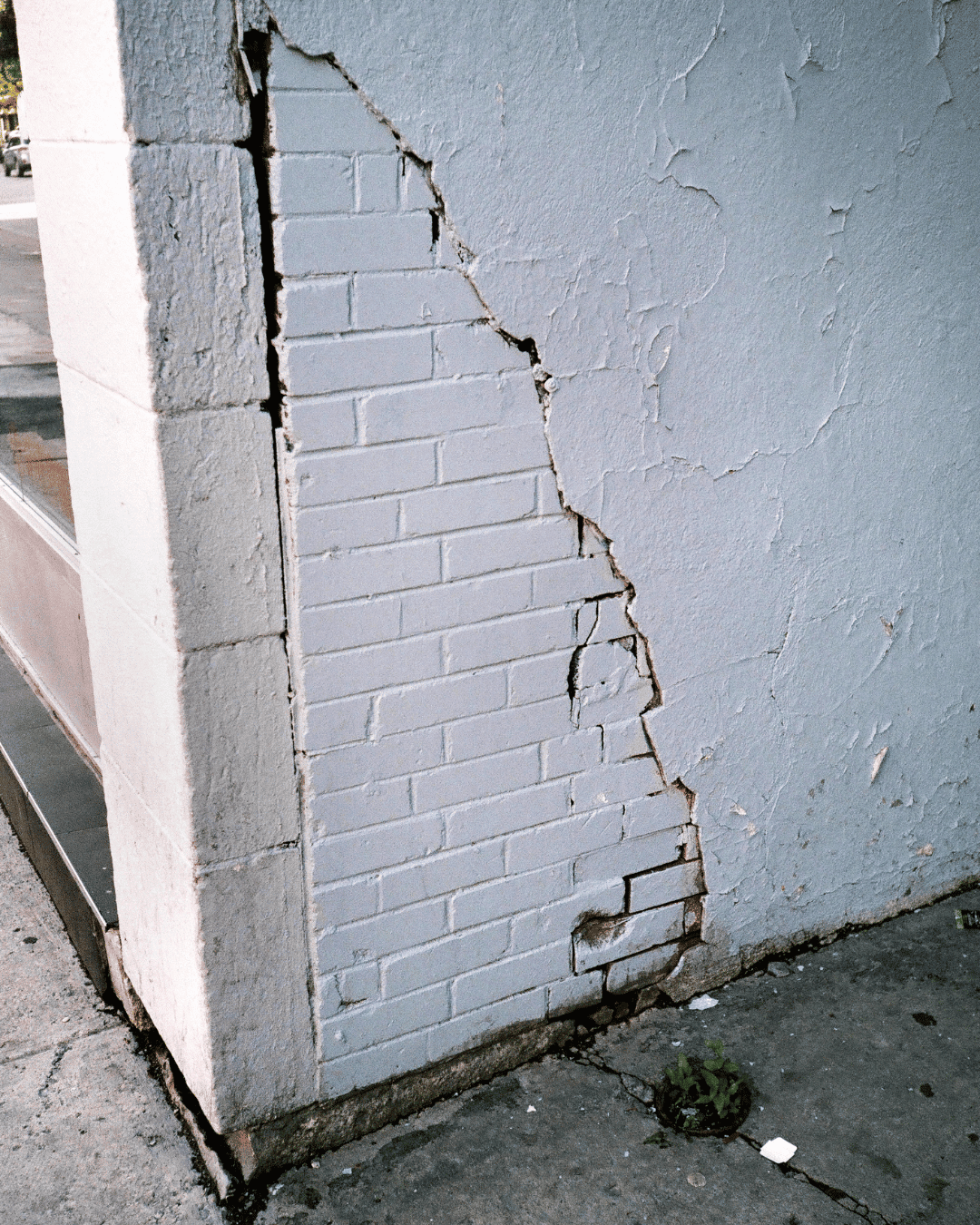
Not every crack means replastering. Hairline cracks (thinner than a credit card) can usually be filled and sanded. But when you're seeing:
- Cracks wider than 2mm
- Cracks that reappear in the same spot after previous filling
- Cracks that follow a stepped or diagonal pattern
- Networks of cracks across multiple walls
That's a sign the plaster has failed or the underlying wall is moving. Painting over these gives you maybe a year before they reappear straight through the new paint. In serious cases, structural cracks may need investigation before either plastering or painting starts. The RICS guidance on structural movement is worth a read if you're seeing anything that looks stepped or diagonal.
3. Walls That Are Visibly Uneven or Wavy
Older London properties rarely have perfectly flat walls, and that's part of their character. There's a difference between charmingly wonky and actually failing.
Hold a spirit level or long straight edge against the wall. Small dips of a few millimetres over a metre or so are normal for period properties and don't need plastering. Larger dips, ripples, and visible waviness under strong light usually do. Paint amplifies these problems rather than hiding them, particularly in silks, eggshells, and anything with a slight sheen.
If you're planning to hang wallpaper, uneven walls are even more critical. Lining paper can rescue some situations, but proper skimming is often the only way to get a genuinely flat surface.

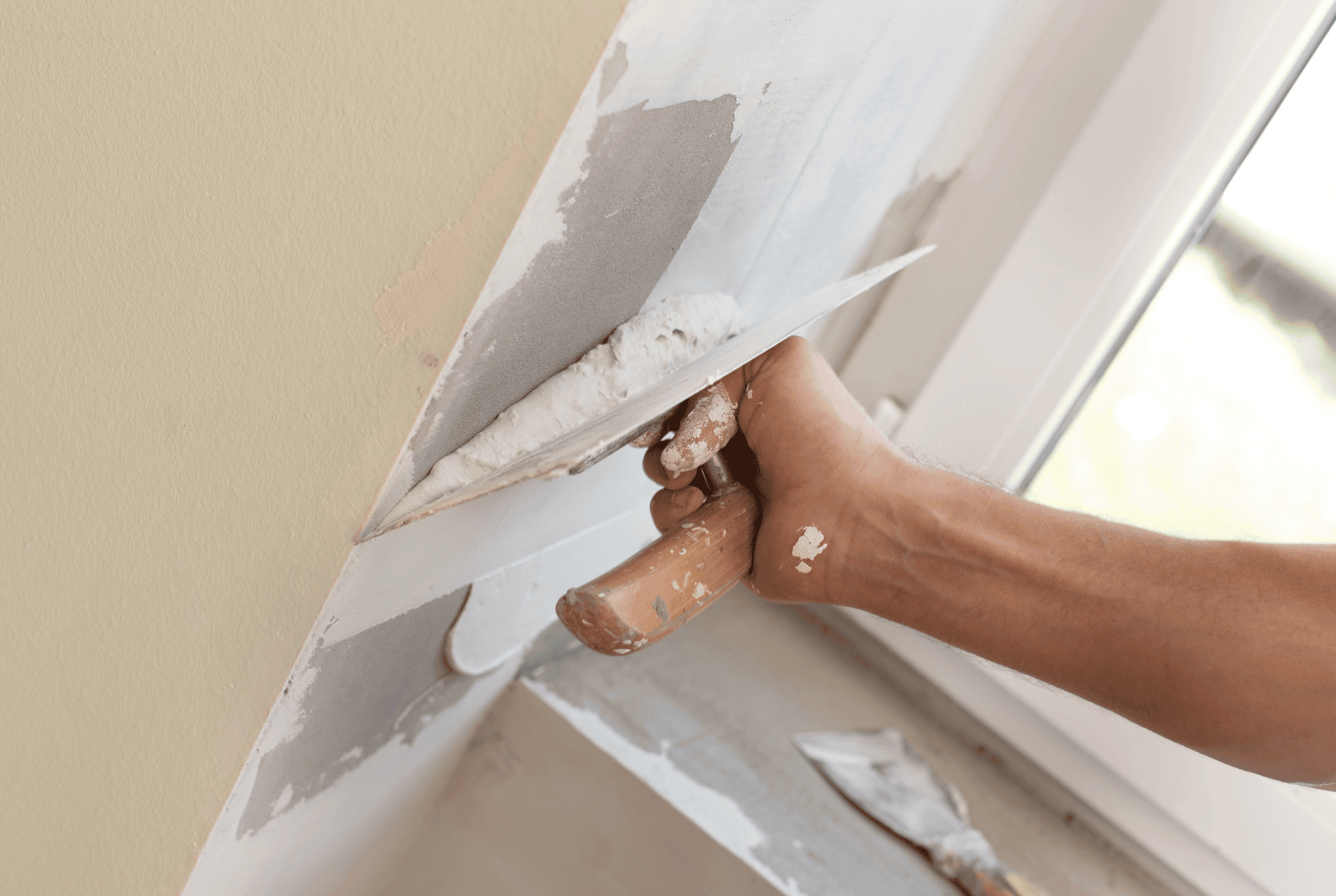
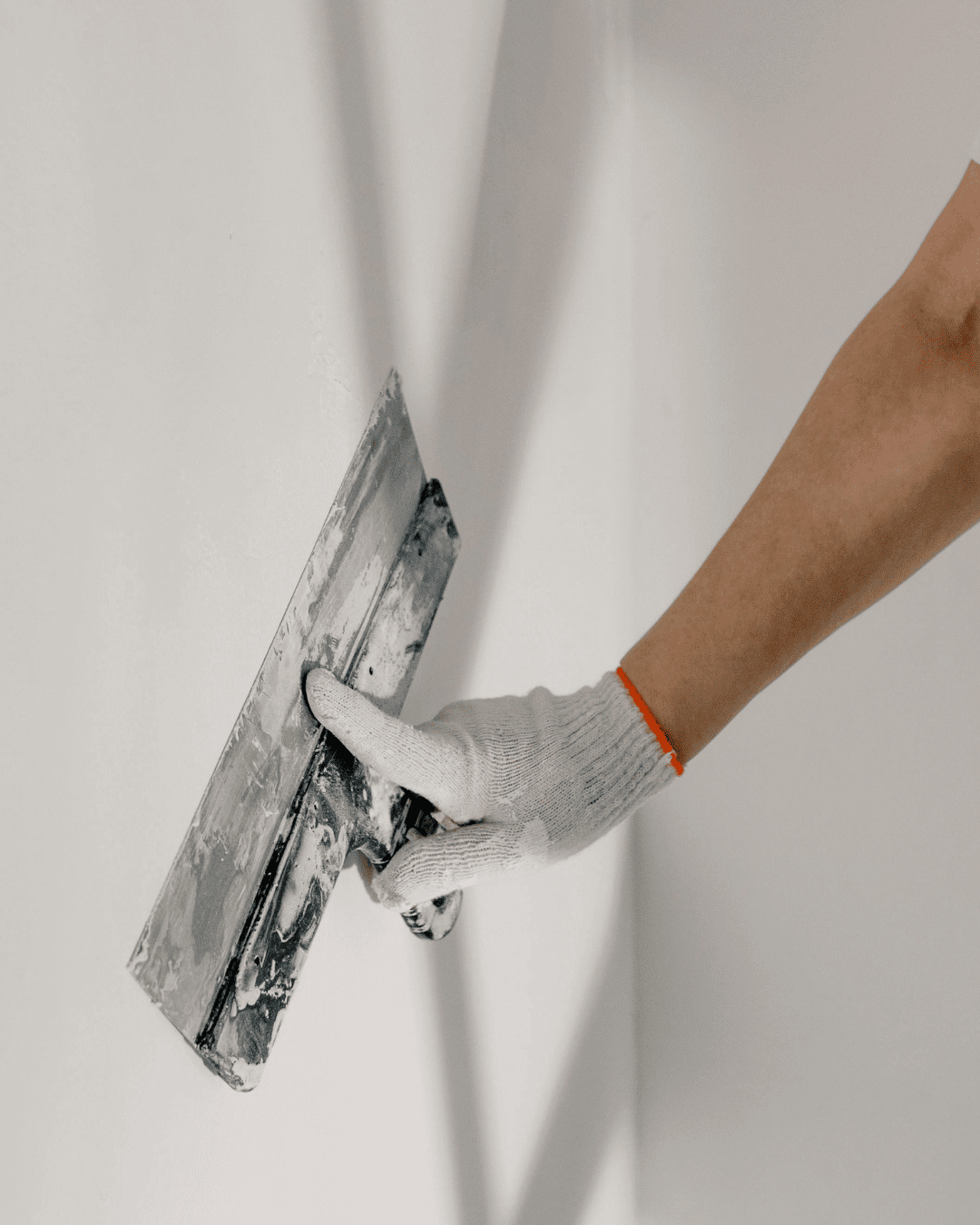
When should I plaster before painting instead of just filling?
Plaster when there's blown plaster, cracks wider than 2mm, uneven or wavy surfaces, or damage covering more than about 20% of the wall. Fill and sand when there are minor hairline cracks, small dents, screw holes, and isolated blemishes on an otherwise sound surface. If you're spending more time filling than you would skimming, plastering is usually the more sensible option.
How can I tell if my walls need re-plastering?
The reliable tests are: tapping the wall and listening for hollow sounds (blown plaster), running a straight edge over the surface to check for large dips, looking for cracks wider than a hairline, and checking for damp patches or salt deposits. If you're finding more than one of these signs across the room, the walls need professional plastering rather than surface prep.
Can I paint over cracked plaster if I fill the cracks first?
You can fill hairline cracks with a flexible filler and paint over them successfully. Larger cracks, or cracks that reappear after previous filling, usually indicate the underlying plaster has failed. Filling these is a short-term fix and they typically come back within 12 to 18 months. In those cases, cutting the failed plaster out and re-skimming is the durable answer.
How long after plastering can you paint a wall in London?
Minimum 7 days for thin skim coats in warm, well-ventilated conditions. Realistically, 2 to 4 weeks for most London jobs, particularly in winter when heating and humidity slow drying. The plaster should be a uniform pale pink or cream colour with no darker patches before any paint goes on. A watered-down mist coat is applied first, then two coats of your finish paint.
Is plastering worth it before painting in a London flat I'm selling?
If you're seeing any of the seven signs above, yes. Buyers and surveyors notice wall condition, and a lumpy, cracked, or badly repaired finish reads as poor maintenance regardless of how much you've spent on the paint on top. Skimming key rooms before decorating typically costs £500 to £1,500 and can genuinely shift the perceived value of a property.
4. Damp Patches, Salt Deposits, or Staining
If you're seeing brown or yellow patches, white powdery deposits, or visible staining bleeding through the current paint, something's going on behind the surface that painting won't fix.
The three usual causes in London homes:
- Historic penetrating damp from external walls or roofing
- Rising damp at ground floor level (though this is rarer than diagnosed)
- Salt deposits (efflorescence) working through from underlying masonry
Any of these need investigating and treating first, then the affected plaster removing back to sound material, then re-plastering. Painting over damp problems is one of the most expensive mistakes London homeowners make, because the moisture just breaks the new paint down from underneath. The English Heritage guidance on damp in older buildings is a useful starting point.
5. Layered, Failing Repairs and Patchwork
Some walls have been repaired so many times that the surface is a patchwork of different materials, all at slightly different levels.
Signs to look for:
- Visible edges where old patches have been made
- Filler that stands proud of the surrounding surface
- Multiple layers of old skim coats that have never been sanded properly
- Repairs done in different materials (bonding coat next to skim next to filler)
You can sometimes fill and sand your way out of this on a small scale. On a whole wall, the honest answer is usually a fresh skim coat to bring everything back to one uniform surface. Anything else, and you'll see every old repair bleeding through the paint under any decent light.
6. Aftermath of Building, Electrical, or Plumbing Work
If you've had chases cut for cables, sockets moved, pipes rerouted, tiles removed, or any structural work done, the walls almost always need plastering before decorating.
Even skilled electricians and plumbers make good with sand and cement, bonding, or basic filler. That's fine for structural purposes, but the finish is rarely paint-ready. Skimming these areas afterwards gives you the clean, flat, uniform surface that paint needs to look right.
This is one of the most common reasons London homeowners end up mid-refurbishment realising they need a plasterer they hadn't budgeted for. If you're doing any building work, factor plastering in from the start.
7. Old Distemper, Textured Coatings, or Failing Wallpaper
Older London homes sometimes have distemper (a chalky whitewash used before modern emulsion), Artex or textured coatings from the 70s and 80s, or wallpaper that's been up for decades and won't come off cleanly.
Distemper actively rejects modern paint and needs stabilising or replacing. Artex needs skimming over (never scraping, given the historic asbestos risk in pre-2000 material). Failing wallpaper that pulls away with chunks of surface attached leaves you with a wall too damaged to paint properly.
In all three cases, a fresh skim coat is often the fastest and cleanest solution. Trying to work around them with prep alone usually ends in disappointment.
What Plastering Actually Costs Before Painting in London
If you've identified one or more of the signs above, here's roughly what to budget in 2026 London prices:
Job | Typical London Cost 2026 |
Small patch repair (up to 1m²) | £75 to £150 per patch |
Skimming a single wall | £180 to £350 |
Full room re-skim (walls and ceiling) | £550 to £950 |
Ceiling skim only | £250 to £450 |
Chimney breast re-plaster | £200 to £400 |
Full house re-skim (3-bed terrace) | £2,800 to £5,500 |
Add drying time. Fresh plaster needs a minimum of 7 days to dry before painting, and often 3 to 4 weeks in colder months or thicker applications. Anyone offering to paint over fresh plaster the next day is either using an unusual quick-drying product (rare in domestic settings) or planning to cause you problems six months down the line.
A Final Word
Deciding when to plaster before painting comes down to being honest about what your walls actually need, not what you'd like them to need. A proper decorator will tell you if filling and sanding will do the job, and they'll tell you when it won't. Both answers save you money in different ways.
If you're planning to redecorate a London property and want a straight opinion on whether the walls need plastering first, that's exactly the kind of walk-through survey we do on every quote. A proper look at the surfaces, the honest assessment of what they need, and a clear recommendation whether or not it means more work for us. That's how we've always operated, and it's why most of our work comes through referrals rather than adverts.
Get in touch with Marsh and Hall today
Whether you're planning a full renovation or simply looking to refresh a room within your home, Marsh & Hall offer expert craftsmanship and a reliable, professional service from start to finish. Don’t hesitate to get in touch—we’ll be delighted to help bring your vision to life.
Contact Us
To enquire about any of our services, please call us on 07801 525121 or complete this form below and we will get back to you.