
How Professional Decorating Can Transform an Older Property and Boost Its Value
How Professional Decorating Can Transform an Older Property and Boost Its Value
Increasing home value by decorating is one of the most reliable returns you can make on an older property, and after nearly two decades on the tools across London, I'll tell you exactly why. There's a particular smell to an older London property when you first walk in. Old paint, sometimes a bit of damp, the woody scent of skirting boards that have been there since before colour television. You can tell instantly whether someone has loved the place or just lived in it.
A proper decorating job doesn't just freshen a room. Done right, it lifts the whole value of the house, signals care to buyers and valuers, and unlocks money that's already sitting in the bricks. This guide walks you through what professional decorating actually does to an older home, why corners get cut by amateurs, and the seven approaches that pay for themselves when you come to sell or rent.
Why Older Properties Need More Than a Coat of Paint
People often ring us up assuming a quick refresh will do the job. Two coats of magnolia, job done. The trouble is, older properties carry decades, sometimes centuries, of movement, moisture, and previous bodge jobs hiding under the surface.
Lath and plaster walls behave nothing like modern plasterboard. Sash window reveals soak paint differently to uPVC. And anyone who has tried to roll emulsion over chalky old distemper knows exactly how that ends.
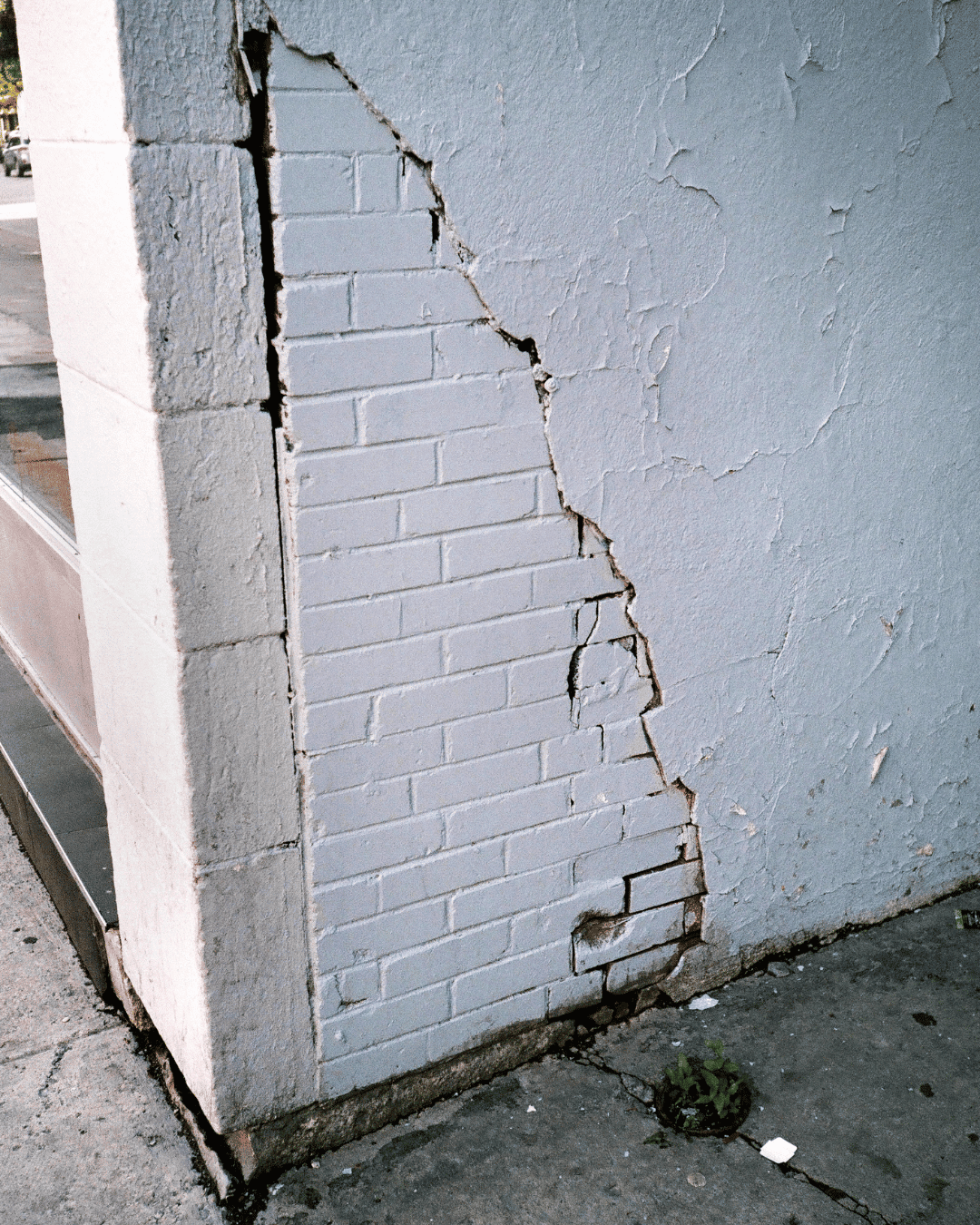
A professional decorator looks past the obvious. We're checking for blown plaster, salt deposits behind chimney breasts, hairline cracks that move with the seasons, and lead paint on anything pre-1960. Get those things wrong and the finish fails within months.
Common Issues We Find in Older Homes
Some of the recurring problems when decorating older homes UK-wide include:
- Crumbling plaster around cornices and ceiling roses
- Nicotine staining that bleeds through standard primers
- Woodwork painted so many times the mouldings have lost their detail
- Wallpaper layered five or six deep, often hiding worse beneath
- Damp patches misdiagnosed as decorative problems
None of these get fixed with a roller. They need the right preparation, the right products, and someone who has met them before.
The Genuine Impact on Property Value
Here's the part most homeowners underestimate. A properly decorated period property doesn't just look better. It signals something to buyers, valuers, and tenants: this house has been cared for. According to Zoopla's research on home presentation, well-maintained, freshly decorated homes typically sell faster and closer to asking price than tired equivalents in the same postcode.
In London especially, where two near-identical houses on the same street can sit £40,000 apart in agreed price, presentation often makes the difference. I've seen properties stall on the market for six months, get repainted properly, and go under offer in a fortnight.
That said, decorating is not a magic trick. It won't add value where the fundamentals are broken. What it does is unlock the value that's already there.


Does decorating actually add value to my home?
Yes, in most cases. A professionally decorated home tends to sell faster and attract stronger offers than a tired equivalent. The Royal Institution of Chartered Surveyors notes that presentation directly affects buyer perception of condition, which feeds into valuation. The return is rarely pound for pound, but the speed of sale and reduced negotiation margin usually more than covers the cost.
Can I just paint over old wallpaper in a Victorian house?
Generally no, and I'd advise against it. Old wallpaper often hides cracked plaster, damp, or previous repairs. Painting over it traps those problems and creates a brittle surface that bubbles. Strip it back, address what's underneath, and you'll get a finish that lasts.
What's the best paint for old plaster walls?
Breathable paints are usually the safest choice for solid walls in older properties. Lime wash, mineral paints, or modern breathable emulsions allow moisture to pass through rather than getting trapped behind the film. Brands like Earthborn and Edward Bulmer are good starting points.
How often should an older property be redecorated?
Properly done, a high-traffic area like a hallway might need refreshing every five to seven years. Living rooms and bedrooms can comfortably stretch to ten. Kitchens and bathrooms wear faster due to moisture. Skimping on prep shortens these intervals considerably.
Is it worth keeping original features when redecorating?
Almost always yes. Period features like cornicing, ceiling roses, picture rails, and original doors add genuine value and appeal that modern alternatives can't replicate. A good decorator will protect and restore these rather than paint over them carelessly.

What Actually Pays Back
From our experience working across north and west London, these are the jobs that consistently return more than they cost:
- Restoring original woodwork rather than ripping it out
- Stripping back layered wallpaper and re-skimming to a flat finish
- Repainting tired ceilings, particularly with ornate plasterwork
- Refreshing hallways, which buyers see first and remember most
- Neutralising bold colour choices that date a property
How Professional Decorators Approach an Older Home
There's a sequence to it. Skip a step and you'll pay for it later.
We start with a proper survey. That means moisture readings, checking what's actually under the existing paint (a small scrape tells you a lot), and identifying any heritage features worth protecting. On listed buildings or conservation areas, breathable paints become non-negotiable. Modern vinyl emulsion on a solid wall traps moisture and causes blistering within a year.
Preparation usually takes longer than the painting itself. On a typical Victorian front room we'd expect to spend two to three days on prep before a brush touches the walls. Filling, sanding, stabilising old surfaces, masking ornate cornicing, and protecting period floors. The actual finish coats are quick by comparison.
Choosing the Right Materials
Older properties are fussy about what you put on them. A few rules of thumb:
- Lime-based or mineral paints for solid masonry walls
- Oil-based or water-based eggshell on woodwork (depending on age and previous coatings)
- Heritage-range colours for period authenticity, particularly with sash windows and panelled doors
- Specialist stain blockers before any final coat if you've inherited a smoker's house
Cheap trade paint on a Georgian hallway is a false economy. You'll be back doing it again in two years.
Wallpaper and Plastering in Period Homes
Wallpapering an older property is a different beast to a new build. The walls are rarely truly flat, corners run out of plumb, and you often need a lining paper underneath just to give the finish paper something honest to sit against.
Plastering is similar. A skilled hand can re-skim a wonky old wall and make it look intentional, keeping the character without leaving you with a surface that ripples like the Thames. This is where we earn our money on older homes. The bit nobody sees, that makes everything else possible.
How Long Does It Take and What Should It Cost?
People always want a straight answer here, so I'll give you one with the caveat that every house is different.
A three-bedroom Victorian terrace, full redecoration of main rooms with proper prep, generally takes a small team around two to three weeks. Costs in London typically sit between £4,500 and £9,000 depending on plaster condition, woodwork, and any wallpapering. That's a wide range because the prep work behind the walls drives the price more than the paint on them.
If a quote comes in dramatically cheaper than that, ask what's being skipped. Usually it's the preparation, and that's the bit that determines whether your decoration lasts three years or fifteen.
A Final Word
Older properties reward patience. They've seen plenty of owners come and go, and they tend to show off when treated properly. Whether you're preparing to sell, renting out, or simply want to enjoy your home more, the right decorating job changes how the space feels in a way that's hard to quantify but immediately obvious when you walk through the door.
If you're thinking about bringing an older London property back to life, it's worth getting someone in for an honest assessment before committing to anything. A proper survey costs nothing and usually saves money down the line. We're always happy to walk through a property and give a straight opinion on what's worth doing and what isn't.
Get in touch with Marsh and Hall today
Whether you're planning a full renovation or simply looking to refresh a room within your home, Marsh & Hall offer expert craftsmanship and a reliable, professional service from start to finish. Don’t hesitate to get in touch—we’ll be delighted to help bring your vision to life.
Contact Us
To enquire about any of our services, please call us on 07801 525121 or complete this form below and we will get back to you.